Book Conversation with James McMaster
Join us for a conversation with writer and scholar James McMaster about his new book Racial Care: On Asian American Suffering and Survival. Through this work, McMaster examines the forms of care that Asian Americans have taken up to survive racialized suffering under neoliberal capitalism and white supremacy, showing how care can both sustain life and extract it from those who perform it. At the Care Lab, Smith Warehouse, Bay 4.
Fragile Care
The Revaluing Care in the Global Economy project hosts an in-person Working Papers Seminar on Fragile Care, bringing together research on care at its most vulnerable edges—from maternal labor under conditions of health crisis to the emergent norms shaping human–machine relations. Through feminist theory, science and technology studies, and political economy, the seminar examines how care is redefined across social and technological infrastructures. Friday, February 6, 2026 · 12:00–1:30 PM ET, in person.
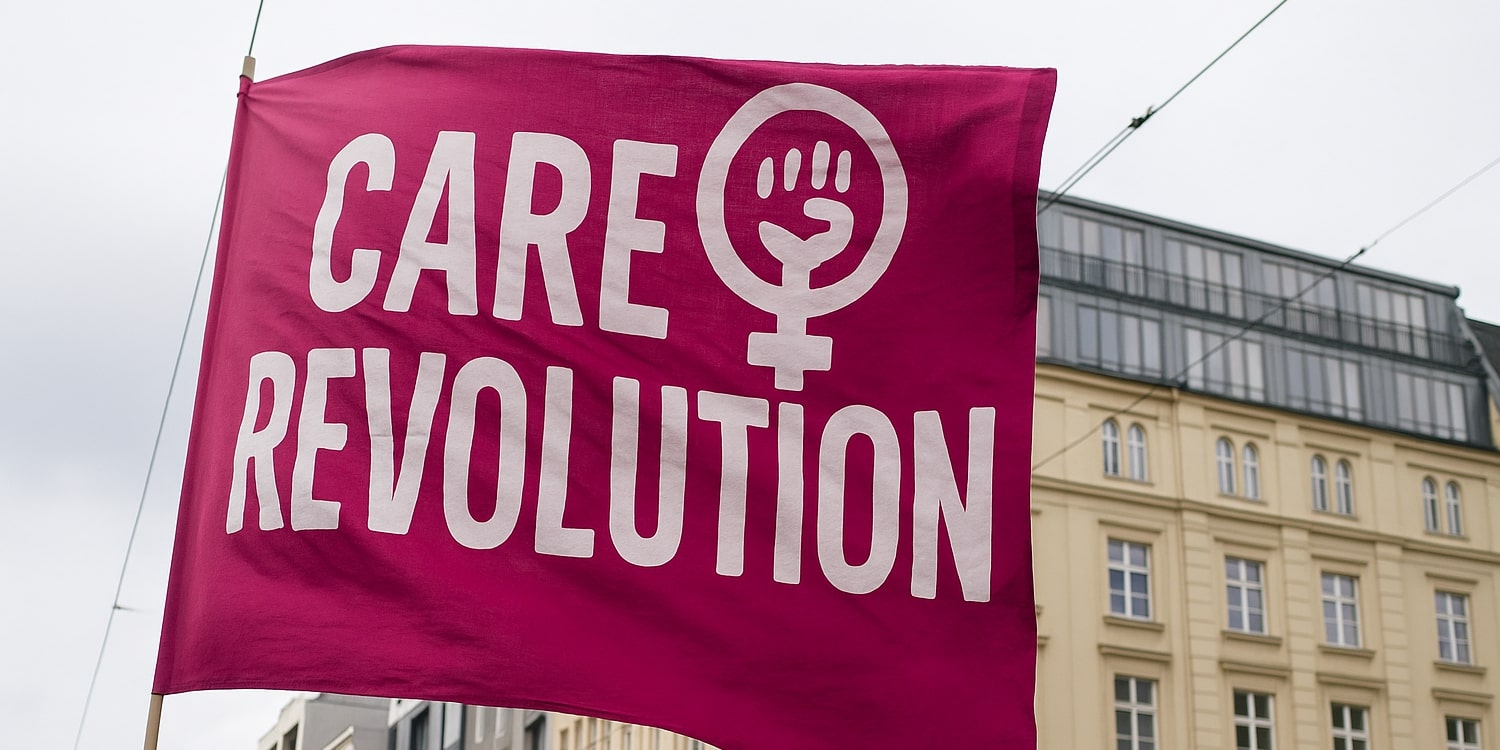
The Care Economy Revolution
Two very different projects argue that the care economy could bring about the end of capitalism as we know it.
Care is Climate Infrastructure: Report from COP30
COP30 in Belém showed that there is no possible climate justice without placing care at the center of global solutions and investments.

Toward a Care-Centered Economy: The Road to Gender-Inclusive Growth
Unpaid care work is the invisible engine that sustains the economy, yet it remains systematically undervalued in mainstream analysis and public policy. When states invest in human capabilities, women’s labor force participation strengthens—rather than strains—economic growth. To build a more inclusive economy, we must recognize, support, and more equitably share care work—work that makes all other work possible.
Cooperatives and Care
The Revaluing Care in the Global Economy project hosts an online seminar on Cooperatives and Care, exploring the social and cultural role of cooperative organizations in revaluing care and labor. Wednesday, November 5, 2025 · 10:05–11:20 AM ET, online.
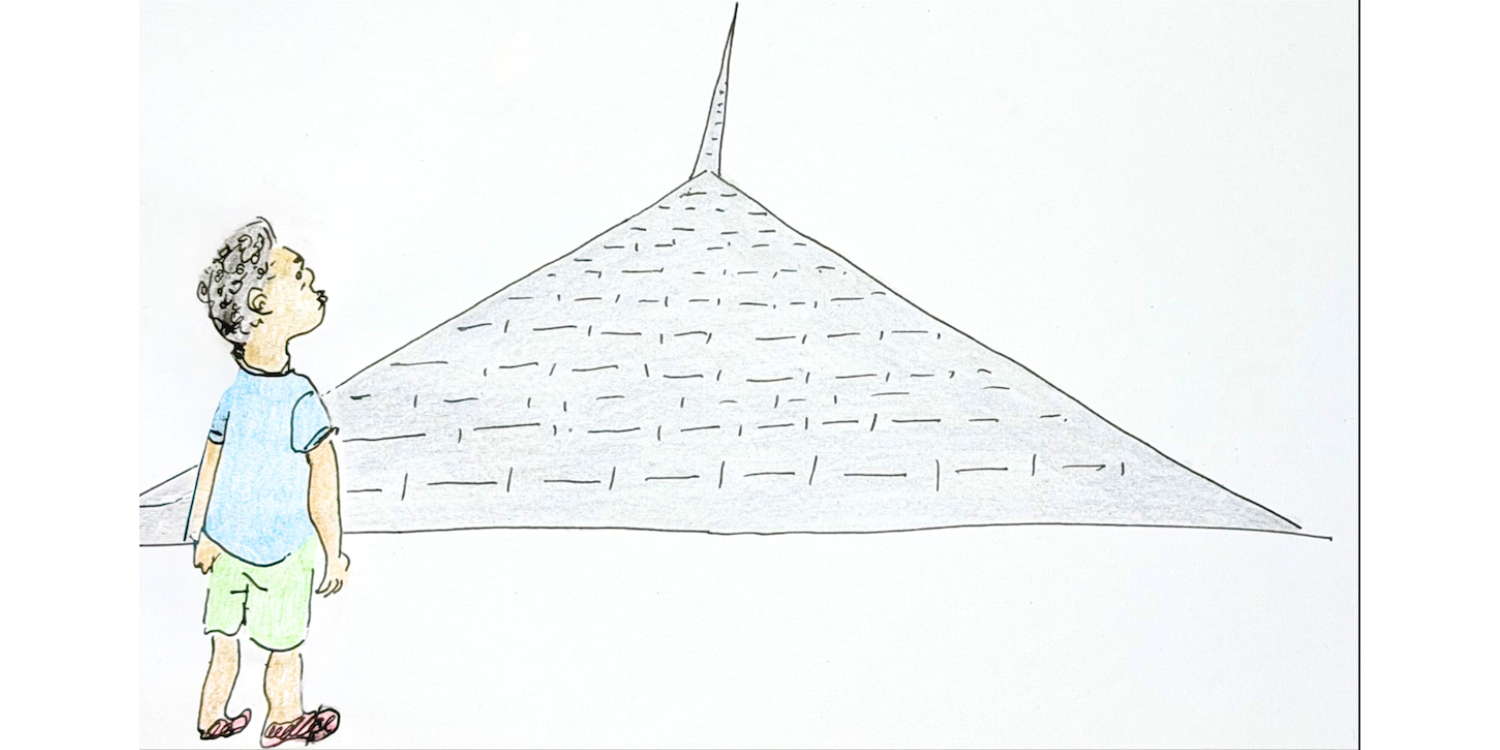
Taxing the Top
As the distribution of both wealth and income has become unequal, political efforts to tax the top to finance investment in public goods like childcare have gained traction.

The Unseen Price: Gender and the Crisis of Unpaid Care in Southern Europe
In Southern European countries, the welfare system has historically relied on one silent pillar: the family. However, this once-resilient model is now an unsustainable trap, threatening gender equity and jeopardizing social sustainability. It is time to re-evaluate who truly pays the price of care.
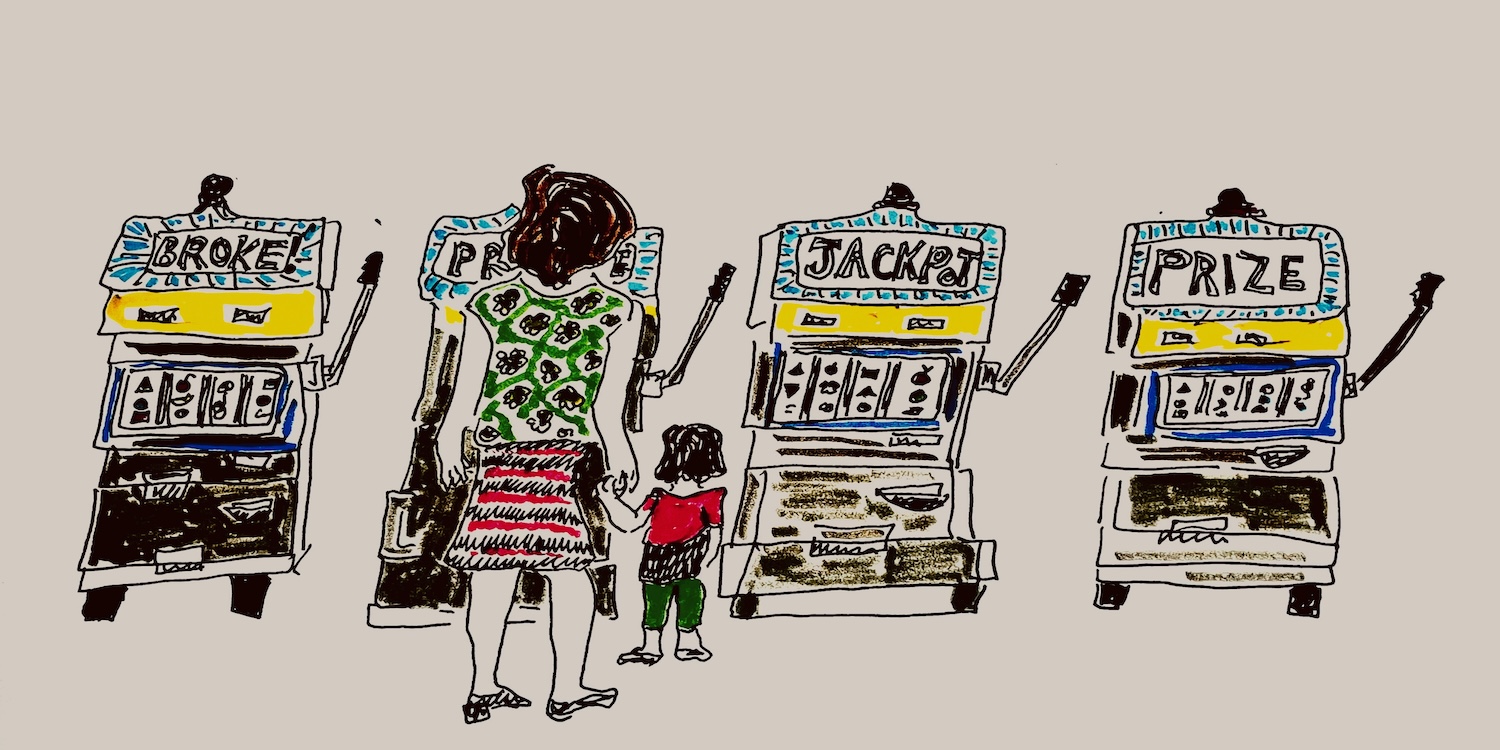
The Motherhood Gamble
While many mothers will enjoy adequate support from a partner, a considerable number are likely to pay a disproportionate share of the costs of raising children, putting their families at risk of poverty.
Aula Verde – Tree Room: Art and Science for Climate Justice
As part of the series “Composting Theory: Ecological Care in Practice,” the Revaluing Care Lab at the FHI hosts “Aula Verde – Tree Room: Art and Science for Climate Justice,” a participatory workshop with artist and environmental engineer Andrea Conte exploring ecological art, forest science, and climate justice. Saturday, October 25, 2025 · 10:00 AM–12:00 PM ET · Duke Campus Farm.
Book Conversation with Jina B. Kim
Join us for a conversation with writer and scholar Jina Kim (Smith College) about her new book Care at the End of the World: Dreaming of Infrastructure in Crip-of-Color Writing (Duke University Press). Through this work, Kim reimagines care as a practice of survival, refusal, and collective world-building across disabled, queer, and racialized communities.

Beyond Choice: Why Economics Needs Reproductive Justice
What if the concept of “choice” in reproductive decisions is an economic illusion? The Reproductive Justice framework, created by women of color, argues that true autonomy is shaped by systemic inequality. It’s time for economics to adopt this powerful lens.