Ecological care
Reading/Practice Group on “Hospicing Modernity”
Let’s get together to read and practice how we can interrupt the modern behavior patterns that are killing the planet! Co-promoted with the Franklin Humanities Institute.
Working Papers Seminar Series 2024-2025
The working papers seminar will start its third year in September 2024 with generous support from a National Endowment for the Humanities (NEH) collaborative research grant.

“Taking care of our territories”: popular economies, community care and self-organization in Colombia
The aim of this blog post is to present some preliminary reflections on the political productivity of community care and popular economies in the Colombian context. Introducing debates around popular economy, I will refer to three concrete experiences and formulate some questions and hypothesis on the possibility of political disputes for popular economy frameworks in the contemporary scenario.
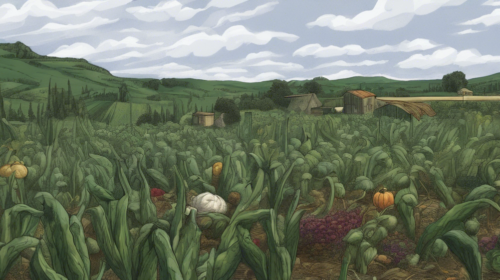
Growing vegetables, making homes
Homes are made in more ways than one. They are made as entanglements of agencies that are both material and discursive: a bed, somewhere to cook, maybe some family members, hopefully a place where you might feel comfortable. Indeed, the phrase ‘to be at home’ refers to a sense of ease, or belonging. Homes are […]
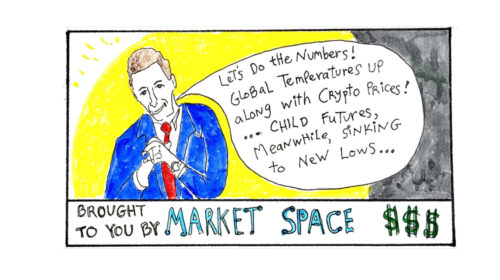
CryptoCare©
Perhaps you’re curious to know—just hypothetically–how far the current value of global cryptocurrency could go toward increasing the supply of child care in the U.S.

Caregiving Skills for the Planet
Reflections on why we need to consider social and ecological caregiving together.
Alternative Care Networks January 26, 2024, 12-2 pm ET
Fifth Working Papers Seminar Series 2023-2024 Alternative Care Networks featuring Jieun Cho, Elizabeth Olson and Leiha Edmonds. Commentaries by Tatjana Thelen and Kim England
Care and the Great Transition
Because I think there are fundamental similarities between care and ecological services, I look for opportunities for dialogue with environmental researchers and activists.
Care and the Commons
Much of my work focuses on the social organization of care. I am especially interested in the parallels between care work and other economic resources that are not privately owned or priced on the market. For more on these parallels– including some videotaped lectures by six great speakers, check out the Forum on Social Wealth.